


Why fleet safety is everyone’s job, not just the fleet manager’s
Written by VisionTrack
07 October 2026
When something goes wrong on the road, the first question is often “whose responsibility was that?”. Too often the answer defaults to two people: the driver who was behind the wheel and the fleet manager who oversees them.
But safe fleets aren’t built by one or two people. They’re built by everyone who touches the vehicle, the route, the data, or the decision-making, and the fleets that get this right tend to see the results in fewer incidents, lower costs, and stronger driver retention.
The fleet operator’s role in creating a safer fleet
Fleet operators, whether that’s the fleet manager, transport team, or the wider organisation, are responsible for creating the conditions in which safe driving is possible. That includes:
- Choosing vehicles and equipment that suit the work being done.
- Planning realistic routes and schedules, including awareness of route restrictions.
- Setting clear, consistent policies, and making sure everyone understands them
- Providing training and support, not just at induction but throughout a driver’s time with the business.
- Reviewing incidents and near misses to learn from them, rather than to apportion blame.
Duty of care sits here too. Operators are expected to take reasonable steps to protect their drivers and other road users, and that means looking at the whole operation, not only individual behaviour.
The driver’s role behind the wheel
Drivers are at the heart of fleet safety because they’re the ones making decisions on the road every day. While policies and procedures set the standard, it’s drivers who identify risks, spot vehicle issues early, and adapt to changing situations in real time.
They also provide valuable insight that managers simply can’t get from reports alone. From problematic routes to recurring hazards, drivers often have first-hand knowledge that can help shape safer operations.
A strong safety culture is built on trust. When drivers feel supported, listened to, and involved in the process, they’re far more likely to engage with safety initiatives. The best results come when safety is something achieved together.
Vehicle maintenance reducing risk
A well-maintained vehicle is a safer vehicle. Brakes, tyres, lights, mirrors, and steering all directly affect how a vehicle behaves on the road, and small defects left unresolved can quickly become serious problems.
Workshop teams and technicians are a critical part of the safety picture. Robust inspection routines, prompt defect reporting, and clear communication between drivers and maintenance teams help catch issues early. The same applies to safety technology: cameras, sensors, and in-cab systems need to be correctly fitted, calibrated and working as intended to deliver value.
Safety technology supporting safer decisions
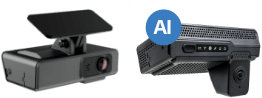
Technology can’t replace good judgement, but it can support it. AI-enabled dashcams, ADAS and driver monitoring systems (DSM) help drivers and fleet teams by providing alerts in the moment, and clear evidence and data afterwards.
Used well, this technology does more than record events. In-cab alerts can help a driver react to a hazard such as fatigue, distraction, or a risky situation ahead. Video and telematics data can show trends across the fleet, helping teams target coaching where it’s needed most and recognise the drivers doing things well. It also gives operators objective information when investigating an incident.
The key is how it’s introduced and used. Technology delivers the most value when it’s part of an open, supportive safety culture, and when drivers understand that it’s there to protect them, not catch them out.
Leadership: setting the standard
Whatever policies or tools a business has in place, safety ultimately follows leadership. When senior leaders talk about safety, invest in it and hold themselves to the same standards as everyone else, it becomes part of how the business works day to day.
Leadership sets the tone in practical ways: making time for safety in meetings, backing decisions that put safety ahead of speed, celebrating good practice, and treating near misses as opportunities to learn. When safety is only mentioned after an incident, teams notice.
Bringing it all together
Fleet safety isn’t a single role, a single system or a single conversation. It’s the sum of many decisions made by many people: the leaders who set the culture, the managers who plan and support, the drivers who take care on every journey, the technicians who keep vehicles roadworthy, and the technology that gives everyone better visibility of risk.
When each of those parts is working together, fleet safety stops being one person’s job and becomes everyone’s habit.
Get in touch with our team at visiontrack.com to see how our solutions can support your entire team.
